








Facility managers are looking for more efficient ways to control lighting and heating systems (along with other electrical loads) in a way that integrates different components into one master controller, considering most traditional methods often rely on manual switches and fixed schedules. Complex wired control systems can be difficult to manage across large properties, so these tend to complicate things when broadening scope. A smart relay, however, offers a more flexible and efficient solution by allowing electrical loads to be controlled remotely through wireless commands.
A smart relay acts as an intelligent switch that can turn electrical circuits on or off based on instructions received from a building management system, sensor, mobile application, or automation platform. Rather than requiring someone to physically operate switches throughout a building, relays enable centralised control from a single interface. This is particularly valuable in large commercial buildings, office complexes, educational facilities, warehouses, and industrial sites where hundreds of electrical devices may need to be managed daily. Controlling these systems manually can be time-consuming and inefficient, especially when buildings operate across multiple floors or locations. By using wireless communication technology, a smart relay switch will allow facilities managers to remotely control electrical loads instantly from anywhere. Lighting can be adjusted, heating systems can be activated before people arrive on site, and equipment can be powered down when no longer required, reducing the unnecessary consumption of energy.
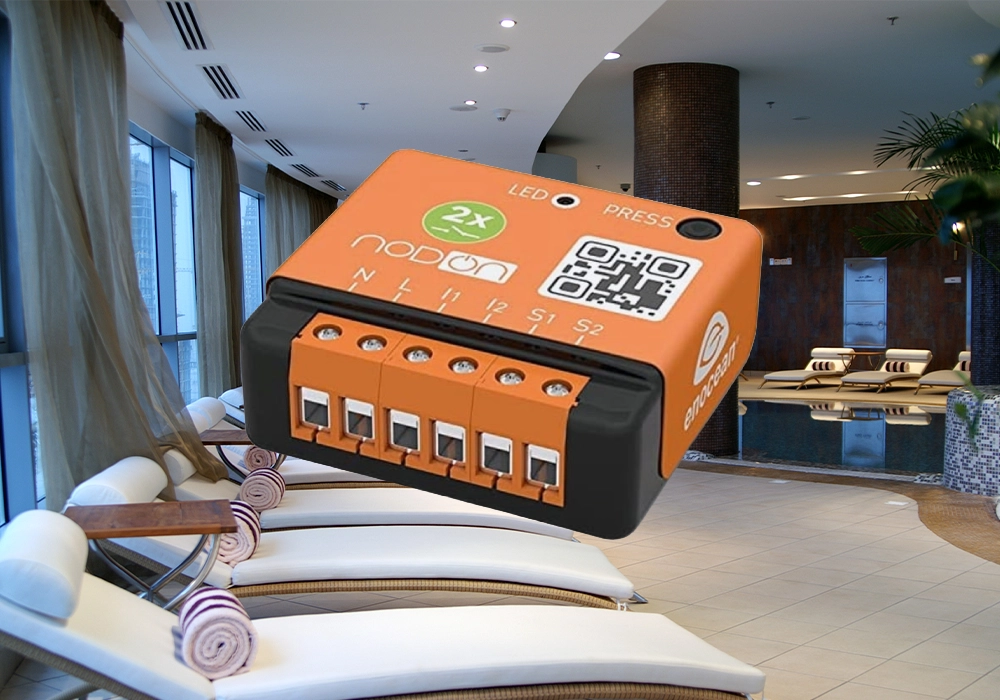
One of the great advantages of smart relays is their ability to work alongside other smart building technologies like motion and light sensors that can all trigger relay actions automatically. As an example, lighting can switch on when a room becomes occupied and switch off again when the space becomes empty. Heating and ventilation systems can respond to occupancy patterns rather than running continuously throughout the day.
This level of automation enables organisations to reduce energy waste and lower operating costs. It also improves the user experience by ensuring building services respond automatically to changing conditions.
Use of a smart relay module simplifies maintenance and fault management, meaning building operators can monitor system status remotely and respond quickly to any operational issues that may occur on site. In some cases, faults can be diagnosed without requiring a site visit, which saves time for everyone.
As businesses continue to adopt smarter strategies within their buildings, smart relays are becoming a key component of modern infrastructure. Their ability to automate electrical systems and integrate seamlessly with wider building management platforms makes them an effective solution for improving efficiency across large and complex buildings.
