








As buildings become increasingly connected through smart technology, businesses are finding new ways to reduce energy consumption and simplify facility management. One of the most effective tools for achieving these goals is the smart light sensor.
You might be managing a single office building, or a large estate with multiple facilities – finding a way to keep lighting systems operating efficiently can be a challenge. Lights are often left on unnecessarily, wasting energy and increasing operational costs. Smart sensors mitigate this problem by automatically monitoring ambient light levels and adjusting artificial lighting accordingly.
A light sensor will continuously measure the amount of natural light available within a space. When daylight levels are sufficient, the sensor can dim or switch off connected lighting systems. As natural light decreases, lighting levels can automatically increase to maintain a comfortable environment for occupants. This process, often referred to as daylight harvesting, reduces electricity consumption without compromising visibility.
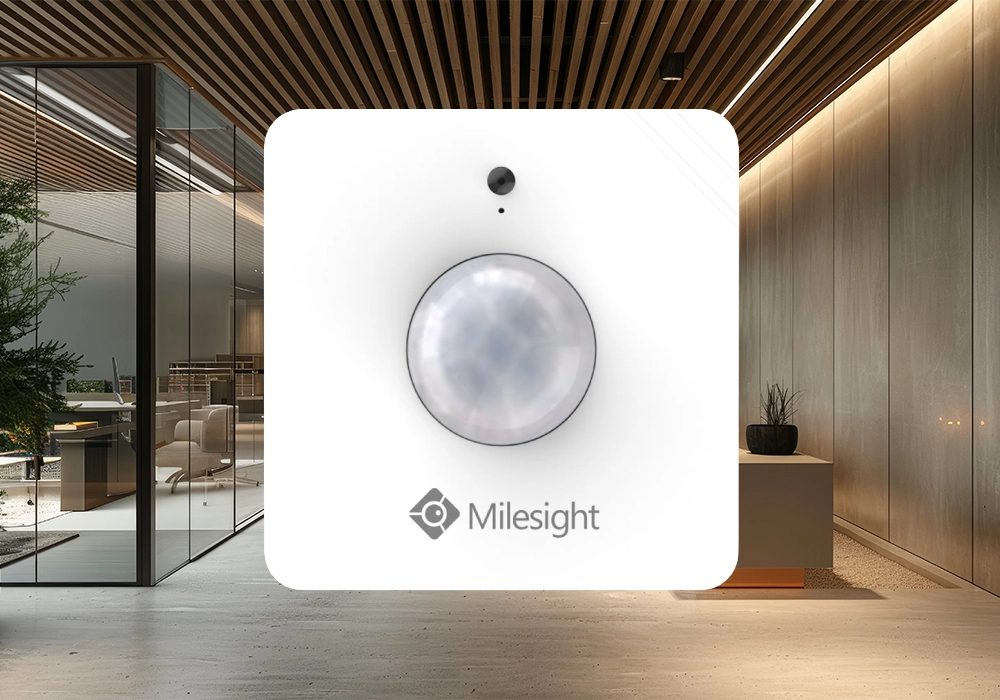
The benefits become even greater when a smart ambient light sensor is integrated into a wider building management system. In interconnected buildings, sensor data can be shared across multiple devices and platforms, allowing lighting to respond intelligently to changing environmental conditions (i.e. in a British Summertime, where it can be dark and raining in one moment, then piercingly bright and sunny in the next). This creates a more efficient and responsive building that requires less manual intervention from facilities teams.
Light sensors are particularly effective when used alongside a smart motion sensor, with the idea being that a light sensor determines whether artificial lighting is needed based on ambient conditions, and a motion sensor detects whether a room is occupied. Together, these technologies activate lights only when people are present and when additional illumination is required past natural lighting.
For example, a meeting room with large windows may receive plenty of natural daylight during the afternoon, and if the room is unoccupied, the lighting remains off entirely. When someone enters, the motion sensor triggers the system, but the smart light sensor determines that natural light is already sufficient and keeps artificial lighting switched off. This intelligent approach eliminates unnecessary energy use while maintaining a comfortable environment. For organisations operating multiple blocks, these automated controls can contribute to a highly efficient smart building lighting system and lead to significant long-term savings. They also support sustainability objectives by reducing energy consumption and lowering carbon emissions, making this an intelligent move in a world that is desperate for the mitigation of energy usage.
Smart light sensors are a simple yet powerful component of any modern smart building strategy, and in combining ambient light monitoring with occupancy detection and connected building systems, organisations can create smarter, more efficient environments that save energy and enhance the experience of those who use them.
