








If your building is upscaling its technological capabilities, you’re probably thinking of a way to intelligently control how its heated and cooled over the day and throughout the year – to invest in long-term protection for your building and to mitigate how it affects the environment. Traditional temperature management tends to rely on fixed schedules with manual adjustments that may not accurately reflect the conditions within a building, which can mean that areas are overheated or overcooled without needing to be. A smart temperature sensor will solve this problem by providing continuous real-time monitoring of environmental conditions throughout a building – when connected to a smart building automation platform, sensors collect data to automatically control heating and air conditioning systems so that temperatures remain within predefined comfort ranges without manual intervention.
One of the more significant long-term benefits to these sensors is how energy efficiency is improved due to the response to actual temperature conditions in your building. As heating and cooling systems are among the largest consumers of energy in commercial buildings, over time, you stand to reduce wasted energy usage and lower utility costs, proving a strong return on investment.
When thinking about why you’d want to invest in a smart temperature monitoring system, an important factor you may consider is the comfort of your occupants; employees and visitors are far more satisfied when indoor environments are maintained at consistent temperatures. Smart systems can identify areas that regularly experience temperature fluctuations and automatically adjust to improve comfort levels.
This goes hand in hand with protecting valuable assets, as many commercial environments contain equipment and stock that are sensitive to temperature changes; continuous monitoring allows teams to identify abnormal conditions early and take corrective action before anything severe happens.
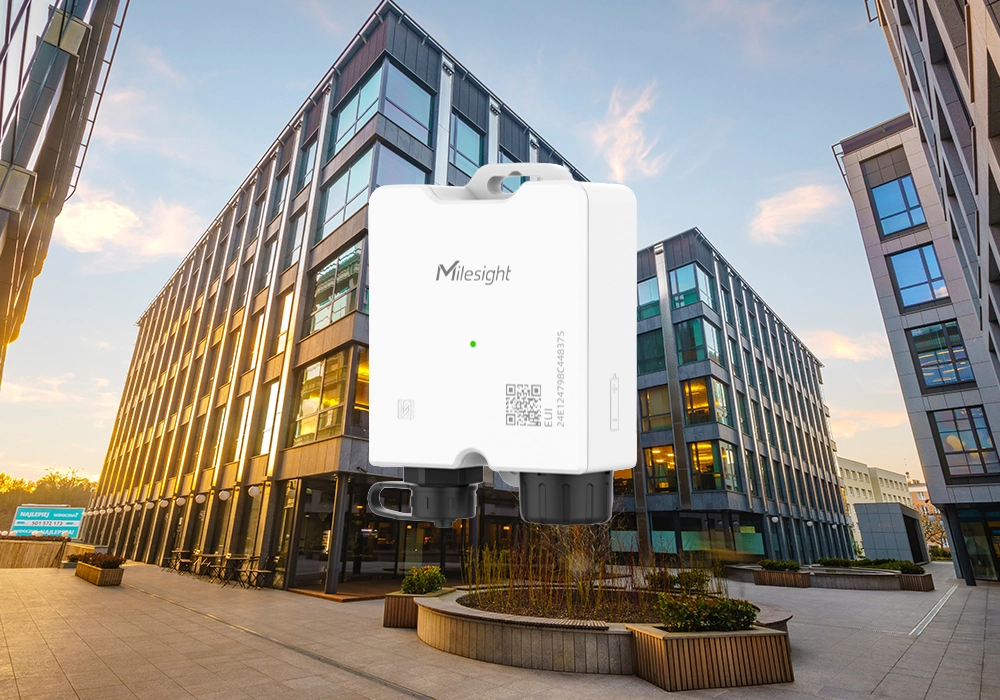
Data collected by a smart temp sensor will provide valuable insights for long-term building management and affect how a facility is maintained. Historical temperature trends will allow for the identification of inefficiencies within HVAC systems and highlight areas that require maintenance, supporting future energy optimisation initiatives. As part of a wider, smarter building strategy, temperature sensors work alongside other types of sensors to create a fully interconnected environment that responds intelligently to changing conditions.
