








When a fire breaks out, every second matters. The sooner occupants are alerted to danger, the greater the opportunity to evacuate safely and minimise damage to property. It’s true traditional smoke alarms have played an essential role in fire safety for decades, but intelligent smoke alarms and detectors offer significant advantages when it comes to speed of notification and response.
Conventional smoke alarms are designed to sound an audible alarm when smoke is detected. This approach works well when people are nearby and able to hear the warning. However, in larger buildings, multi-site facilities, or properties that are temporarily unoccupied, a traditional alarm may not provide sufficient notification to the people who need to know about the incident.
As soon as smoke is detected, a smart fire alarm will instantly send alerts through its interconnected network system so facilities managers, maintenance and security personnel can respond immediately even without being on-site. For commercial buildings, this rapid communication can make the difference between life and death. Rather than relying on someone hearing an alarm and reporting the incident, notifications can be transmitted automatically to multiple stakeholders in unison, allowing emergency procedures to begin sooner and reduce delays in response.
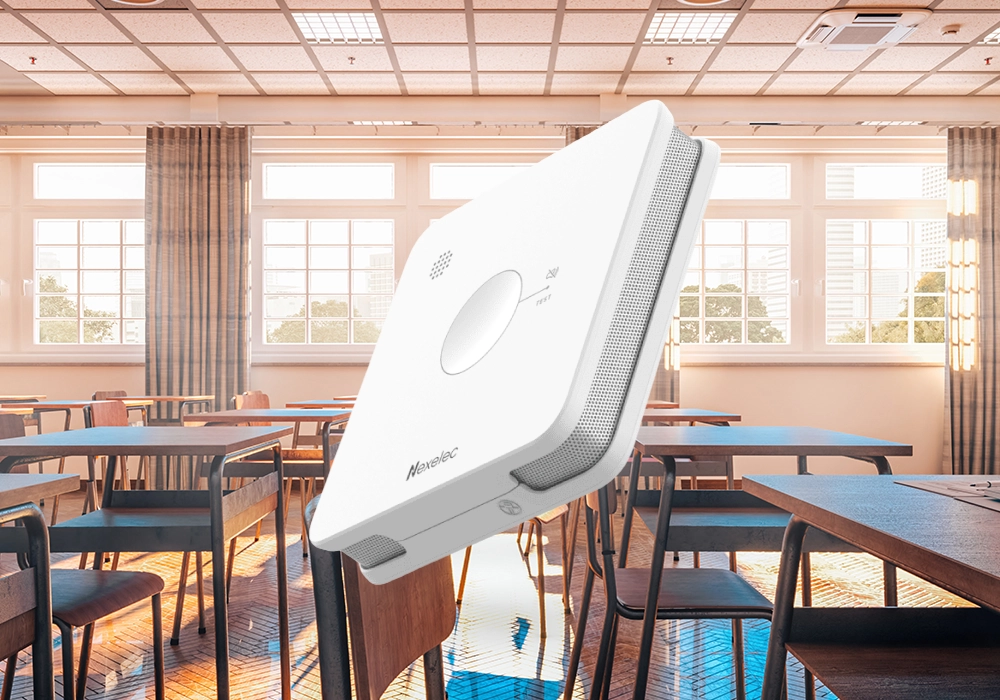
Smart smoke detectors are particularly valuable in large complexes like offices or warehouses, healthcare facilities and apartment blocks; fires may start in an area that is not continuously occupied. Building managers can receive real-time alerts regardless of their location, enabling them to take swift action and coordinate emergency responses more effectively.
Many smart detectors can also integrate with wider smart building systems (would you believe it?). For example, smoke detection can automatically trigger emergency lighting, unlock designated exit routes, shut down ventilation systems to reduce smoke spread, or notify connected security platforms. Certain automated responses can occur within moments of detection to protect both occupants and the property as a whole.
Another advantage of the smart smoke detector is the ability to monitor device health remotely. Smart systems can provide maintenance alerts and fault notifications so that smoke detection equipment remains operational at all times.
Traditional smoke and fire alarms remain prevalent and certainly important, however, a smart fire detector provides an additional layer of protection through faster communication and intelligent automation of connected devices. For organisations seeking to improve fire safety and emergency response, investing in smart smoke detection technology can help deliver greater peace of mind and establish theirs as a truly smart building.
