








Businesses are trying to find new ways to reduce electricity consumption in an effort to lower operating costs and transition to net zero. Lighting can account for a significant proportion of a building’s energy usage, particularly in retail spaces, offices and warehouses where illumination is required more throughout the working day. Installing a smart light sensor gives businesses the opportunity to control lighting more efficiently without compromising visibility or comfort.
What is a Smart Light Sensor?
What is a Smart Light Sensor?
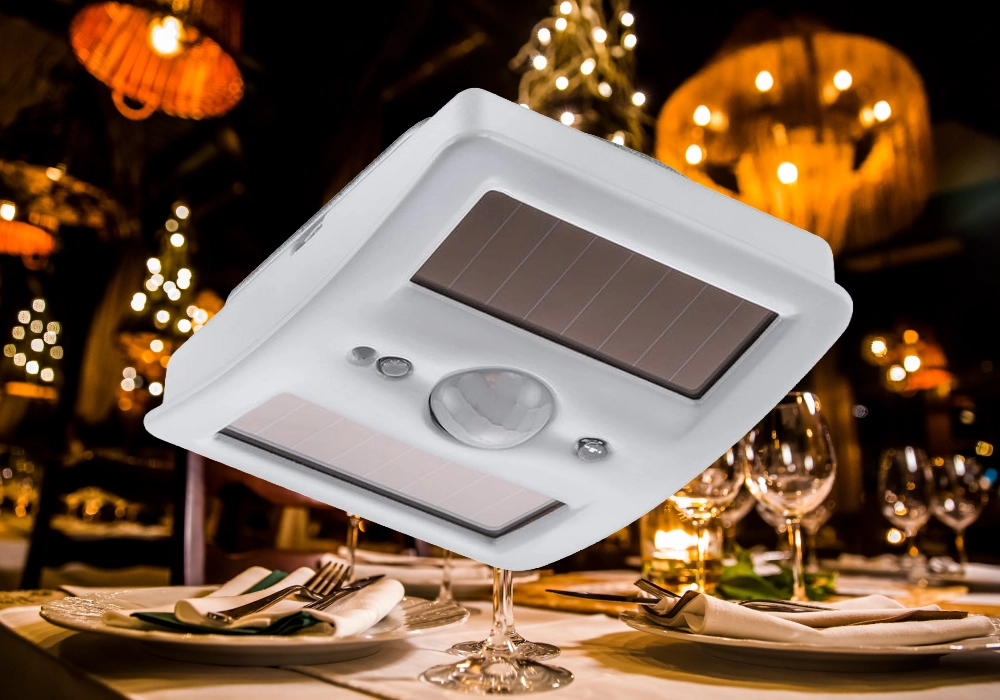
A smart light sensor measures the amount of natural or artificial light present in an environment. Unlike traditional lighting controls, which rely on manually operated switches or fixed schedules, smart lighting sensors communicate with compatible building automation systems to adjust lighting according to surrounding conditions. When natural daylight provides sufficient illumination, for example, connected lighting systems automatically dim artificial lights to reduce electricity usage.
How Do Smart Light Sensors Improve Energy Efficiency?
How Do Smart Light Sensors Improve Energy Efficiency?
Making Better Use of Natural Daylight
Making Better Use of Natural Daylight
One of the biggest advantages of light level sensors is their ability to support daylight harvesting. Commercial buildings with large windows or skylights tend to receive substantial natural lighting during the day, so rather than keeping artificial light at full brightness, sensors monitor incoming daylight and enable compatible systems to adjust lighting output accordingly, maintaining appropriate illumination and reducing wasted electricity.
Reducing Unnecessary Lighting Costs
Reducing Unnecessary Lighting Costs
Companies do find that leaving lights on throughout the day contributes to higher energy bills, but with a smart ambient light sensor, a building’s management systems respond to changing light conditions so artificial lighting is used when required. Across larger commercial facilities, even relatively small reductions in daily lighting consumption contribute to meaningful long-term savings.
Working Within a Wider System
Working Within a Wider System
Smart lighting sensors become particularly effective when they’re integrated within a wider system of automation that features devices like occupancy and motion detection. Combining these technologies allows automated systems to gauge whether lighting is needed based on occupancy and available daylight - an empty meeting room can remain unlit as an occupied office receives additional lighting when natural light becomes insufficient.
Where Can Smart Light Sensors Be Used?
There are a wide variety of commercial environments that smart light sensors are conducive to: in office environments, they maintain comfortable working conditions throughout changing daylight hours; in warehouses and retail buildings, they can regulate lighting across large spaces; communal areas also benefit from lighting that responds to changing environmental conditions. If you’re looking to optimise your premises and reduce your electricity bills, light sensors are a good place to start.
