Shop/Products // Air Conditioning Interfaces //

Smart Air Conditioning & Heat Pump Interfaces

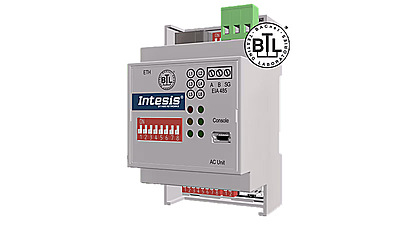
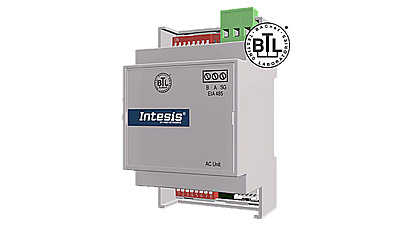
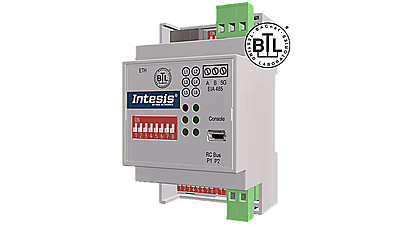
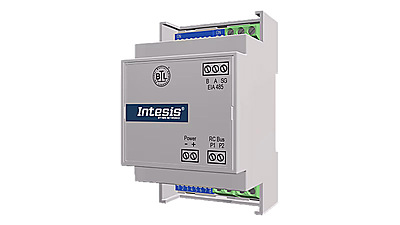
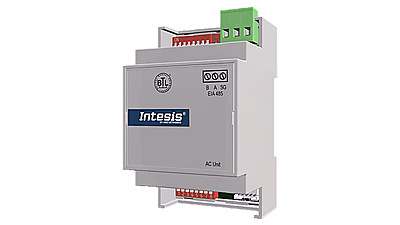
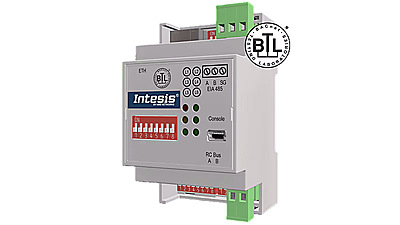
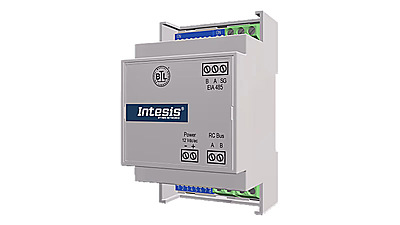
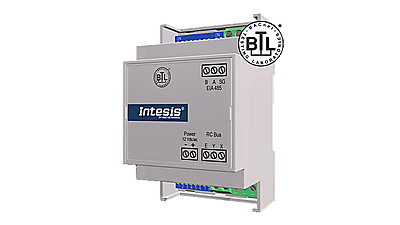
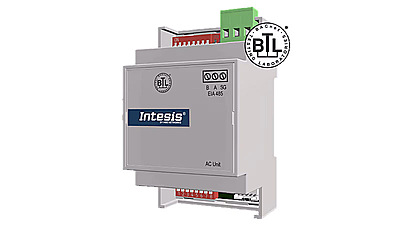
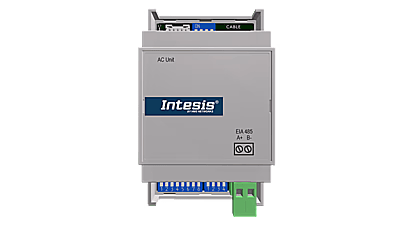
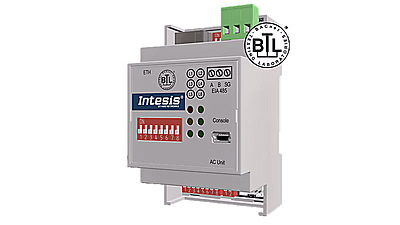
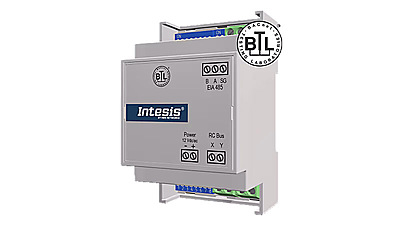
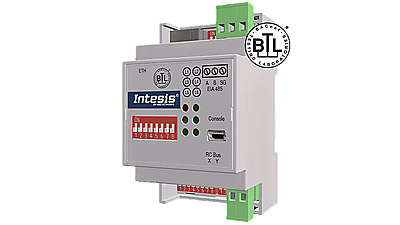
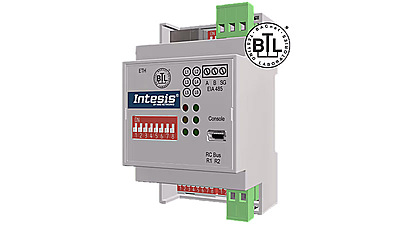
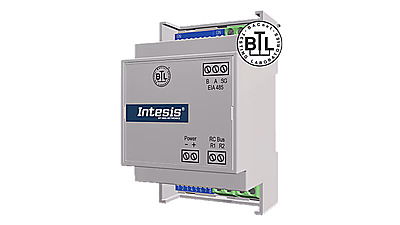
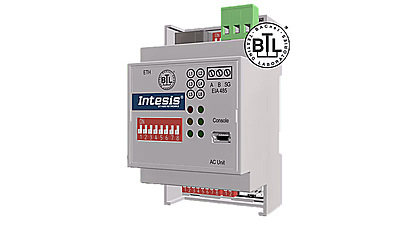
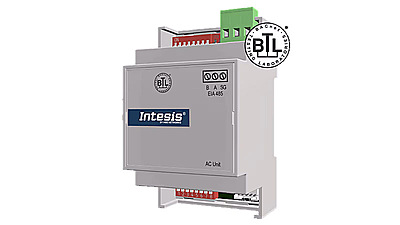
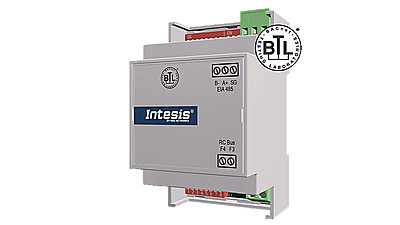
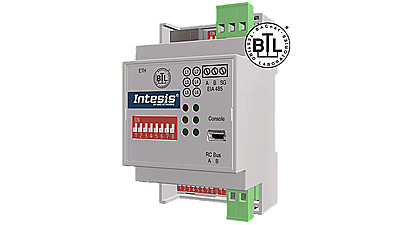
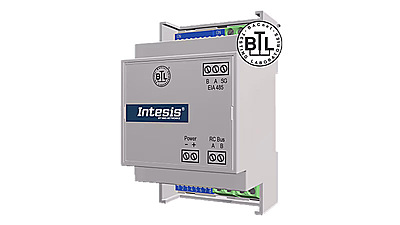
Smart air conditioning interfaces connect an existing air conditioning system to a building management system. Every manufacturer uses its own proprietary control bus, so a Daikin, Mitsubishi Electric or Toshiba unit cannot be read or controlled by a BMS on its own. The interface wires into the unit exactly where a manufacturer's wall controller would sit and presents it on an open protocol such as BACnet, Modbus or KNX, giving your head end full visibility of setpoint, mode, fan speed, room temperature and fault status.
Our range covers domestic, commercial and VRF systems from all the major manufacturers, in both BACnet/IP and MS/TP and Modbus RTU variants, along with a universal infrared model for units without a wired connection.

Air conditioning interfaces are most often specified where a building already has working air conditioning plant that sits outside the control of the BMS. Rather than replacing serviceable equipment, the interface brings it onto the same network as the heating, ventilation and lighting so it can be scheduled, setpoint limited and monitored centrally. Typical applications include offices and commercial fit outs where split and VRF systems have been installed piecemeal over the years, retail and hospitality estates that need consistent control across multiple sites, schools and healthcare buildings where out of hours running is a significant cost, and any refurbishment where the mechanical plant is staying but the controls are being upgraded. The result is lower energy consumption from enforced schedules and setpoint limits, faster fault response through alarms reported straight to the BMS, and reliable runtime data for energy reporting, all at a fraction of the cost of a manufacturer's own centralised control system.

Air Conditioning Interfaces

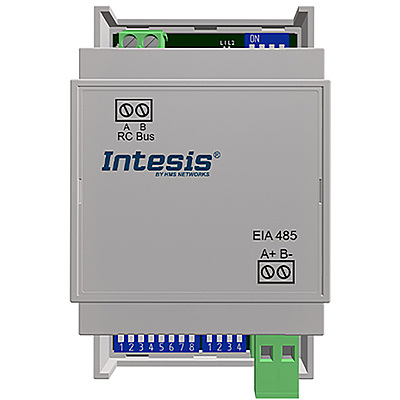
Daikin AC Domestic units to BACnet IP/MSTP Interface - 1 unit
£265.00
Daikin AC Domestic units to BACnet MSTP Interface - 1 unit
£229.99
Daikin VRV and Sky systems to BACnet IP/MSTP Interface - 1 unit
£265.00
Daikin VRV and Sky systems to BACnet MSTP & Modbus RTU Interface - 1 unit
£229.99
Fujitsu RAC & VRF to BACnet MSTP & Modbus RTU (to CN connector) - 1 unit
£229.99
Hitachi Comm. & VRF units to BACnet IP/MSTP Interface � 1 unit
£265.00
Hitachi VRF systems to BACnet MSTP & Modbus RTU - 1 unit
£229.99
Midea Commercial & VRF systems to BACnet MSTP Interface - 1 unit
£229.99
Mitsubishi Electric Domestic, Mr.Slim & City Multi to BACnet MSTP - 1 unit
£229.99
Mitsubishi Electric Domestic, Mr.Slim and City Multi to Modbus RTU Interface
£229.99
Mitsubishi Electric to BACnet IP/MSTP Interface - 1 unit
£265.00
Mitsubishi Heavy Industries FD and VRF systems to BACnet MSTP Interface - 1 unit
£229.99
Mitsubishi Heavy Industries FD and VRF to BACnet IP/MSTP Interface - 1 unit
£265.00
Panasonic ECOi and PACi systems to BACnet IP/MSTP Interface - 1 unit
£265.00
Panasonic ECOi and PACi systems to BACnet MSTP Interface - 1 unit
£229.99
Panasonic Etherea AC units to BACnet IP/MSTP Interface - 1 unit
£265.00
Panasonic Etherea AC units to BACnet MSTP Interface - 1 unit
£229.99
Samsung NASA units to BACnet MSTP Interface - 1 unit
£229.99
Toshiba VRF and Digital systems to BACnet IP/MSTP Interface - 1 unit
£265.00
Sale
Toshiba VRF and Digital systems to BACnet MSTP Interface - 1 unit
£229.99 £249.99
Sale
Toshiba VRF and Digital systems to Modbus RTU Interface
£229.99
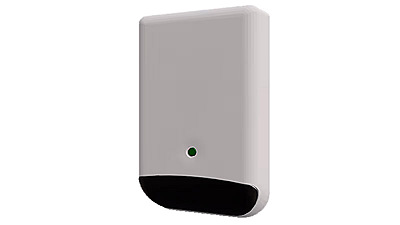
Universal IR Air Conditioner to BACnet/Modbus Interface - 1 unit
£249.99
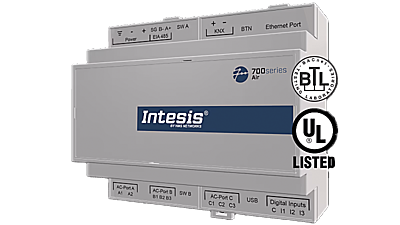
Intesis multi-brand AC interface with KNX, Serial and IP support
£799.00 - £2,599.00
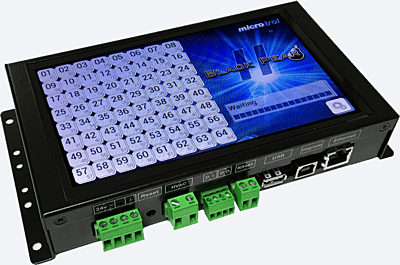
Microtrol Black Pear 2
£2,899.00
Microtrol Black Pear 2Add to Cart
£2,899.00

FAQ

How do air conditioning interfaces work?
A smart air conditioning interface is a small translator that sits between an AC unit and a building management system. Air conditioning manufacturers each use their own proprietary control bus, so a Daikin VRV, a Mitsubishi Electric City Multi and a Toshiba VRF system all speak a different internal language that a BMS cannot read directly.

The interface connects on one side to the manufacturer's own bus or indoor unit connector, using the same terminals an OEM wired controller would use. On the other side it presents the unit as a standard device on an open protocol network, typically BACnet/IP, BACnet MS/TP, Modbus RTU, Modbus TCP or KNX.

Once connected, the air conditioning system appears in the BMS as a set of readable and writeable datapoints. Depending on the unit these usually cover on and off, operating mode, temperature setpoint, fan speed, vane position, room temperature, filter status and fault codes. Most interfaces draw power from the AC unit itself, so no separate supply is needed, and configuration is done once at commissioning.
What are the benefits of using smart air conditioning interfaces?
The main benefit is bringing air conditioning under the same control and monitoring regime as the rest of the building services, without replacing existing plant.
  • Single point of control. Heating, ventilation, lighting and cooling all sit on one head end rather than being managed through separate handsets and wall controllers.
  • Energy savings. Setpoints, schedules and limits can be enforced centrally, so units are not left running out of hours or fighting the heating. Setpoint limiting alone prevents a large share of avoidable consumption.
  • Protects existing investment. An intelligent air conditioning interface is a fraction of the cost of a manufacturer's proprietary centralised controller, and far cheaper than replacing working AC equipment to gain BMS compatibility.
  • Mixed estates become manageable. Buildings that have accumulated units from several manufacturers over the years can be brought onto one open protocol network.
  • Faster fault response. Error codes and filter alarms are reported to the BMS, so problems surface as alarms rather than as a complaint from an occupant.
  • Better data. Runtime and room temperature logging supports reporting obligations and helps evidence energy performance.
Which protocol do I need for air conditioning interfaces: BACnet or Modbus?
In most cases the answer is decided for you by the BMS already on site, so the first step is to check what the head end speaks rather than choosing on merit.
BACnet is the dominant protocol in commercial building management and is what most modern BMS platforms use natively. It carries device names, units and object descriptions with the data, so an air conditioning unit appears in the head end already labelled and structured, which makes commissioning faster and reduces the amount of manual point mapping. It splits into two physical variants:
BACnet/IP runs over the building's Ethernet network. Choose it where there is structured cabling or a network point near the AC unit.
BACnet MS/TP runs over a two-wire RS485 daisy chain. Choose it where you are extending an existing MS/TP trunk, or where running network cable to each unit is impractical.

Several of the Intesis interfaces on this page support both BACnet/IP and MS/TP in one unit, so you can decide on site.
Modbus is simpler and more common in energy metering, industrial plant and smaller or older systems. It has no self-description, so every point has to be mapped from the register list at commissioning. It is the right choice when the existing controller or data logger only supports Modbus, and Modbus RTU over RS485 is the usual form here.
KNX is worth mentioning if the building already runs KNX for lighting and blinds, as an AC interface with KNX support keeps everything on one bus.

A few practical pointers:
  • If you are unsure and the site is new or being refurbished, specify BACnet. It is the safer long-term choice for commercial buildings.
  • If cable runs are the constraint rather than the protocol, the MS/TP and Modbus RTU variants share the same RS485 wiring, and some models support both, which gives you a fallback.
  • Check the interface is matched to your AC system type as well as the protocol. The Domestic, Commercial and VRF variants are not interchangeable, even for the same manufacturer.

If you are still unsure, send us the AC model number and the make of your BMS and we will confirm the right part before you order.

Items have been added to cart.
One or more items could not be added to cart due to certain restrictions.
Added to cart
- There was an error adding to cart. Please try again.
Quantity updated
- An error occurred. Please try again later.
Deleted from cart
- Can't delete this product from the cart at the moment. Please try again later.