





Shop/Products // Pressure and Air Velocity Sensors //

Smart Pressure and Air Velocity Sensors

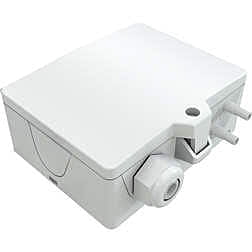
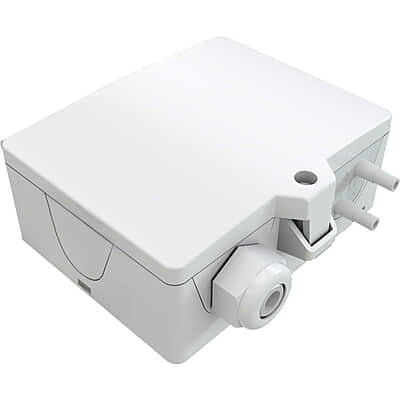
Differential smart pressure sensors measure the difference between two pressures rather than an absolute value, which is what makes them useful in ventilation systems. The drop across a filter tells you how far it has loaded and when it genuinely needs changing. The difference between a room and its corridor confirms that a cleanroom, isolation room or plant space is holding the pressure regime it was designed for.


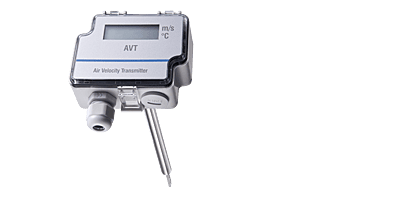
Air velocity sensors measure how fast air is actually moving through a duct or across an opening, which allows airflow to be verified against design and used for volume control.

Typical applications include air handling units, filter monitoring, room pressurisation, fume cupboard and laboratory safety, and cleanroom validation. Multi range models cover several pressure ranges in one unit, so a single part number suits a variety of installations.
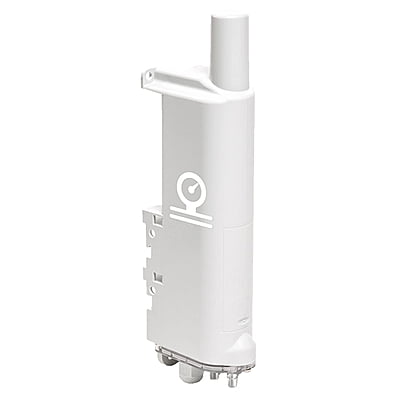
Differential Pressure and Air Velocity Sensors

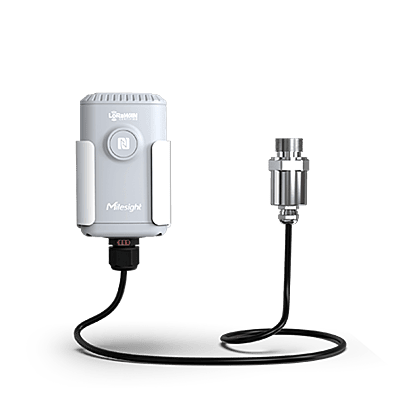
Milesight EM500-PP Pipe Pressure Sensor
£189.00
Adeunis DeltaP IP68 LoRaWAN EU863-870
£139.00
DPA250+ VV AZ MultiRange
£115.19
DPA2500+ VV AZ MultiRange
£118.06
AVT Air Velocity Sensor
£98.00

FAQ

Why might I need to measure air velocity?
A fan running does not mean air is arriving where it should. Velocity is the measurement that tells you what is actually being delivered, as opposed to what the design drawing says or what the fan speed suggests. The main reasons it gets measured:
Verifying airflow against design - commissioning and periodic reverification both need proof that a duct or terminal is delivering the volume it was specified to deliver. Velocity multiplied by duct area gives that volume.
Ventilation rates for occupied spaces - guidance on fresh air per person in offices, classrooms and healthcare settings is expressed as a flow rate, and demonstrating compliance means measuring it rather than assuming it.
Volume control - in variable air volume systems, velocity feedback is what allows dampers and fan speeds to be modulated to deliver the right amount of air to each zone instead of over-ventilating a whole space.
Containment safety - fume cupboards and safety cabinets rely on a minimum face velocity to keep contaminants inside. Below that threshold, containment fails, so the velocity at the sash opening is a safety measurement rather than a performance one.
Fault detection - a gradual drop in velocity points at a blocked filter, a slipping belt, a damper that has drifted or a duct leak, often long before anyone in the building notices a comfort problem.
Energy - fan power rises sharply with airflow, so systems delivering more air than needed waste a disproportionate amount of energy. You cannot identify that without measuring.
Where would I use a smart pressure sensor?
Differential pressure sensors turn up wherever the relationship between two pressures matters more than either pressure on its own.
  • Filter monitoring in air handling units - as a filter loads, the pressure drop across it rises. Monitoring that drop replaces calendar-based filter changes with condition-based ones, which avoids both changing clean filters and running dirty ones. It is usually the most common single application.
  • Room pressurisation - cleanrooms, isolation rooms, operating theatres, pharmacy and laboratory spaces must hold positive or negative pressure relative to adjacent areas. Continuous monitoring proves the regime is holding and alarms if a door is propped or a fan fails.
  • Duct and plant monitoring - pressure across coils, dampers, heat exchangers and fans indicates whether they are performing as expected or fouling up.
  • Stairwell and escape route pressurisation - smoke control systems depend on maintaining a pressure differential, and periodic verification is required.
  • Fume cupboards and containment - alongside face velocity, differential pressure confirms extract is working.
  • Building envelope and stack effect - pressure differences across a building's envelope explain door opening problems, draughts and unexpected infiltration in tall buildings.
Items have been added to cart.
One or more items could not be added to cart due to certain restrictions.
Added to cart
- There was an error adding to cart. Please try again.
Quantity updated
- An error occurred. Please try again later.
Deleted from cart
- Can't delete this product from the cart at the moment. Please try again later.