





Shop/Products // Washroom Monitoring //

Smart Washroom and Facilities Monitoring

Washroom monitoring replaces fixed cleaning rotas with data about what is actually happening in a room. Sensors track how many people have used a facility, whether odour levels have risen, how much soap and paper is left, and whether water is escaping where it should not be, then report it wirelessly to your facilities platform.


Cleaning is triggered by need rather than by the clock, which cuts both wasted visits to empty washrooms and complaints about ones that were missed. Consumables get replenished before they run out and leaks are picked up in minutes rather than at the next inspection. Our range also includes vape detection for schools, colleges and workplaces, which identifies vaping in washrooms and other private spaces without any camera or recording.
Washroom and Facilities Monitoring

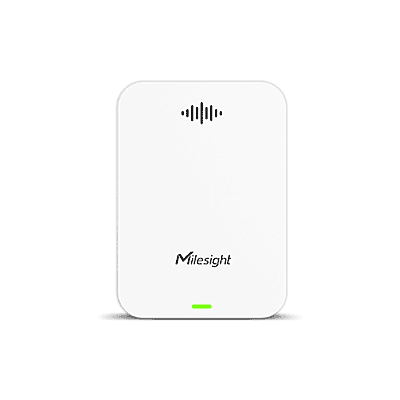
Milesight GS301 Bathroom Odour Sensor
£450.00
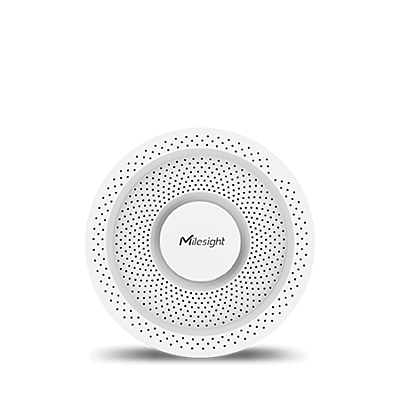
Milesight GS601 Vape Detector
£182.00
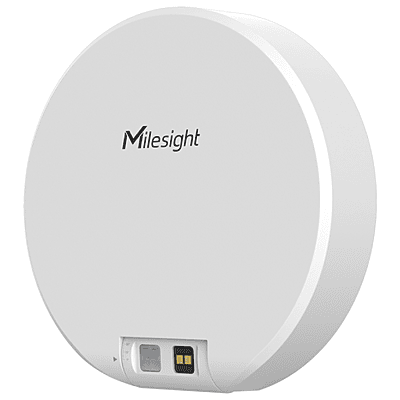
Milesight VS330 Toilet Occupancy Sensor.
Milesight VS330 Toilet Occupancy Sensor
£121.00
Milesight WS201
Milesight WS201 Smart Fill Level Monitoring Sensor
£57.00
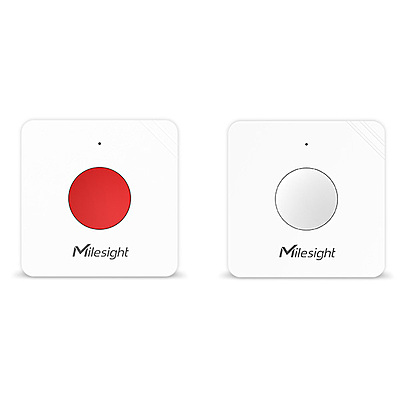
Milesight WS101 LoRaWAN Smart Button1
Milesight WS101 LoRaWAN Smart Button
£38.00
WS303 Mini Leak Detection Sensor
£69.00

FAQ

How do vape detectors work?

A vape detector monitors the air for the chemical signature of vapour. Vaping releases a distinctive mix into the air, including propylene glycol and vegetable glycerine aerosol, along with a spike in volatile organic compounds. That mix looks different to ordinary room air, aerosol deodorant or steam.


Inside the unit, sensors sample the air continuously. A particulate sensor picks up the fine aerosol, a VOC sensor detects the chemical rise, and the device compares the pattern against known signatures. When the pattern matches, it raises an alert. Better units also watch for the sharp, short-lived spike that distinguishes a vape from a slow background change, which is what keeps false alarms down in rooms that also see cleaning sprays and hot showers. The alert is sent wirelessly to your platform, so staff are notified in seconds and can respond whilst it's still relevant. Many models also flag tampering, such as the unit being covered or knocked off its mount.


There is no camera and no microphone. The device records air quality data only, which is what makes it acceptable in washrooms and changing areas where any form of imaging would be unlawful. Most units double as air quality sensors, so the same hardware reports temperature, humidity and CO2 alongside the detection function.

What is the use case for a toilet occupancy sensor?
The use for a smart toilet occupancy sensor is knowing whether a cubicle or washroom is in use, and how heavily it has been used, without anyone having to check. The most common applications are:
  • Cleaning on demand - counting entries tells you when a washroom has had enough use to need attention. A block used forty times needs cleaning; one used four times does not. This is where most of the cost saving comes from, since it removes visits to rooms that do not need them and catches the ones that do.
  • Availability displays - showing which cubicles are free, either on a panel at the entrance or in a workplace app, cuts queuing and stops people walking floor to floor. Useful in offices, airports, stadiums and shopping centres.
  • Accessible cubicle monitoring - flagging unusually long occupancy in an accessible or single occupancy toilet allows staff to check on someone who may need help, without intruding.
  • Space planning - usage patterns across a building show which facilities are oversubscribed and which are barely touched, which informs refurbishment decisions.
  • Confirming cleaning happened - combined with a smart button, you can evidence both that a clean was requested and that someone attended.

These sensors detect presence only, using passive infrared, radar or time of flight measurement. They do not identify anyone and produce no image, which is what makes them appropriate for a washroom setting where cameras aren't present. It is still worth signposting their presence, as it heads off concerns before they turn into complaints.
Items have been added to cart.
One or more items could not be added to cart due to certain restrictions.
Added to cart
- There was an error adding to cart. Please try again.
Quantity updated
- An error occurred. Please try again later.
Deleted from cart
- Can't delete this product from the cart at the moment. Please try again later.